Industry related headlines to keep you in the know.
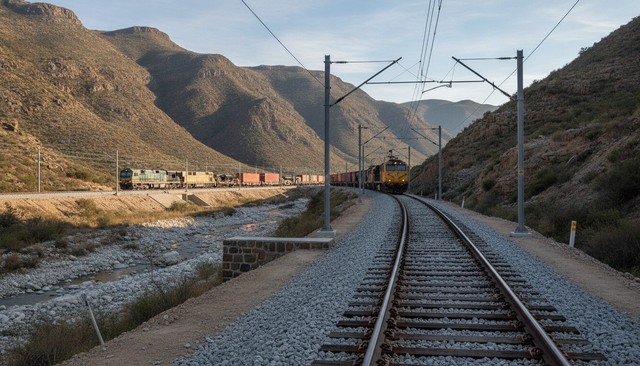
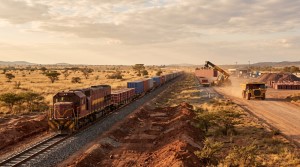
Transnet Rail Infrastructure Manager has completed the reconstruction of the Cape Mainline after storm damage and washaways closed sections of the line for more than two months. The corridor reopened to diesel-hauled trains on 31 July 2026 and was fully restored for electric traction in August, once the reinstated overhead equipment was commissioned.
Railway
17 September 2026 • 4 min read
Two days of heavy rain in May took out a strategic freight corridor for over two months. The repair is finished — but the more useful lesson for operators is what a single weather event now costs a rail-dependent supply chain, and how quickly road had to absorb it.
Heavy rainfall, strong winds and flooding on 11 and 12 May 2026 caused extensive damage to railway infrastructure in the Western Cape. Five locations in the Worcester area were affected, along with two washaways at Leeu-Gamka in the Karoo. A washaway is not a track fault that can be patched — the ground beneath the formation is gone, and the earthworks have to be rebuilt before any rail can be relaid.
The recovery involved rebuilding washed-away track formations and supporting infrastructure, reinstating track structures and overhead equipment, and replacing mast poles brought down by the storms. TRIM Chief Executive Moshe Motlohi framed the reopening as evidence of the entity's commitment to a safe, reliable and resilient network able to respond decisively to disruption caused by extreme weather.
Outage timeline: Damage on 11–12 May 2026; sections closed for more than two months; diesel services resumed 31 July 2026; full electric operation restored during August 2026. (Source: Transnet Rail Infrastructure Manager via Infrastructure News, 2026)
The two-stage reopening is worth reading closely. Track formation and rail can be restored before the overhead catenary is back, so diesel traction returns first and electric follows once the wiring is energised and commissioned. That sequence gave the corridor a partial service several weeks earlier than a full-restoration approach would have, at reduced capacity and higher energy cost per tonne.
For a shipper, that distinction is the difference between "the line is open" and "my normal train is running". A corridor operating on diesel substitution typically runs fewer paths and different consists. Anyone planning volumes off a reopening announcement needs to ask which stage of restoration the announcement refers to, and what capacity is actually being offered week by week.
South Africa's freight reform programme is built on shifting volume from road to rail, with a stated national target of 250 million tonnes on the Transnet network by 2030 and private train operating companies preparing to enter the network. Every tonne that migrates to rail also migrates onto rail's risk profile — and a corridor that crosses mountain passes and Karoo drainage lines carries weather exposure that a parallel road route largely does not.
That is not an argument against rail. It is an argument for pricing the substitution. When the Cape Mainline went down, the containers, agricultural product, industrial goods and minerals it normally carries between the Port of Cape Town and the interior did not stop moving — they went by road, at road rates, at short notice. Operators who had capacity available and a standing rate for that lane captured the work. Those who did not watched it go to someone else.
If your cargo moves on rail for part of its journey, write down what happens when that leg disappears for ten weeks — who hauls it, at what rate, and how quickly you can confirm capacity. Road hauliers on corridors that parallel a rail line should hold a pre-agreed surge rate rather than negotiating one under pressure. And when a reopening is announced, confirm whether it is diesel-only or full electric before you rebook volume against it.
Stay connected with Southern Africa's freight and transport community.
Join 6,400+ logistics professionals across the SADC region.
Visit Laaimylorrie.com| About the Author | |

|
Andre Klynsmith Entrepreneur & Technology Enthusiast Andre's expertise spans technology, blockchain, transport, and logistics — with a passion for innovation and driving positive change across industries. |
| Source: Infrastructure News (Transnet Rail Infrastructure Manager) View source › | 4 September 2026 |


Subscribe to our Newsletter and stay in the know with all the latest Industry News, Products and Trends covering the whole of the SADC region.
KS Blockchain T/A Laaimylorrie.com . All Rights Reserved.