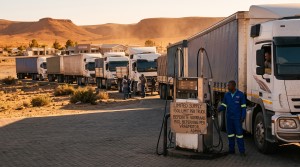
Industry related headlines to keep you in the know.
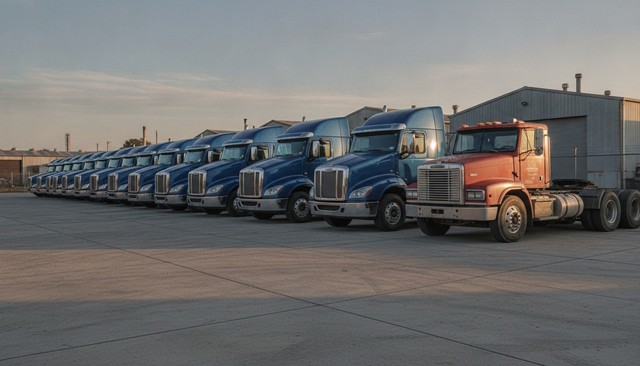
The rapid climb in tanker freight rates has triggered a wave of new vessel ordering, and the shipbuilding orderbook now stands above average levels. Analysts expect disruption to keep the market elevated through 2027, but the ships being ordered today will arrive into a very different market, and that sequence is the oldest trap in asset-heavy logistics.
Asset Management
13 September 2026 • 3 min read
Tanker owners are buying capacity at the top of a rate cycle created by a war. Truck and trailer owners in Southern Africa have made the same mistake in smaller amounts, for smaller reasons, many times over. The mechanics are identical.
Very large crude carrier earnings on the Middle East Gulf to China route have reached record territory, driven by longer voyages, a shortage of vessels prepared to trade east and conflict-related inefficiencies rather than by any growth in the underlying cargo. Gulf crude exports are in fact lower than before the conflict.
That distinction is the whole point. When freight rates rise because demand has grown, new capacity eventually gets used. When they rise because ships are being kept out of a waterway, the rate reverses the moment the waterway reopens, and the new capacity has nowhere to go.
The cycle risk: the tanker orderbook now sits above average levels after the recent rate surge, with a meaningful negative supply and demand balance expected to develop over the longer term. (Source: Breakwave Advisors, 2026)
Iraq's state oil marketer SOMO is exploring secondhand tanker acquisitions, with security concerns at the Strait of Hormuz pushing exporters towards owning their own fleets rather than chartering. It is part of a broader shift towards state-backed operators willing to assume risk that commercial owners and their underwriters will no longer price.
There is a legitimate logic to that. When the charter market will not give you dependable access at any price, buying the asset converts a market problem into a balance-sheet problem you can at least control. But it also means acquiring tonnage at elevated secondhand values, and the residual value of that decision depends entirely on how long the disruption lasts.
Regional operators face the compressed version of this every time a commodity boom or a corridor disruption lifts rates on a particular lane. Rates rise, financing gets easier, units get ordered, and the additional trucks arrive eighteen months later when the surge has passed and the lane is oversupplied.
The discipline is to separate a structural change in demand from a temporary change in access. A new mine, a new terminal concession or a permanent corridor shift justifies permanent capacity. A rate spike created by somebody else's conflict does not, however convincing the current month's numbers look on the finance application.
Before committing to fleet expansion off current rates, test the business case at the rate you were getting eighteen months ago. If the instalments still work at that level, the expansion is sound. If it only works at today's rate, you are buying an asset with a five to ten year life against revenue with a twelve month life, and short-term hire or subcontracting is the cheaper way to catch the peak.
Stay connected with Southern Africa's freight and transport community.
Join 6,400+ logistics professionals across the SADC region.
Visit Laaimylorrie.com| About the Author | |

|
Andre Klynsmith Entrepreneur & Technology Enthusiast Andre's expertise spans technology, blockchain, transport, and logistics -- with a passion for innovation and driving positive change across industries. |
| Source: Breakwave Advisors — Bi-Weekly Tanker Report; Lloyd's List Intelligence View source › | 8–9 September 2026 |


Subscribe to our Newsletter and stay in the know with all the latest Industry News, Products and Trends covering the whole of the SADC region.
KS Blockchain T/A Laaimylorrie.com . All Rights Reserved.