Industry related headlines to keep you in the know.
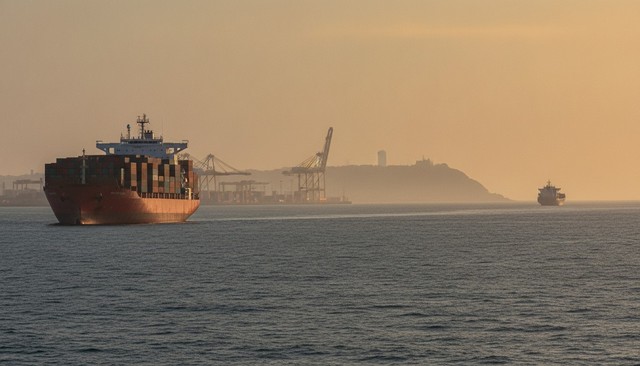
Average vessel turnaround time at the Port of Durban climbed to its highest level of 2026 during the first week of September, rising 26.5% week on week to 8.67 days even as road transit on the Johannesburg-Durban corridor improved.
Ports and Terminals
10 September 2026 • 3 min read
Durban's total vessel port call time jumped from 6.86 to 8.67 days in the week ending 6 September, the worst reading of the year. What makes this week unusual is that the road side of the chain got better at the same time -- proof that a corridor can look healthy on the tarmac while it is quietly failing at the quay.
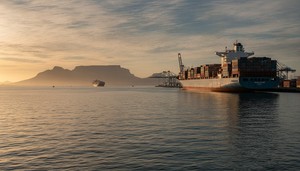
The latest Crickmay Corridor Pulse Report measures total vessel port call time from the moment a ship arrives at anchorage to the moment it departs the berth. On that basis, Durban deteriorated by 26.5% in a single week, moving from 6.86 days to 8.67 days for the week ending 6 September. That is the highest figure recorded at the port this year.
On the strength of that single metric, Crickmay placed the Johannesburg-Durban N3 corridor on "watch" and advised operators to budget additional time for vessel calls at Durban. The report is built on anonymised, sampled heavy vehicle positioning data combined with vessel tracking information, which means it reflects what fleets and ships actually did rather than what a schedule promised.
The week in numbers: Durban vessel port call time up 26.5% week on week, from 6.86 to 8.67 days -- while Johannesburg-Durban road transit improved 3.1%, from 13.9 to 13.4 hours. (Source: Crickmay Corridor Pulse Report via Freight News, September 2026)
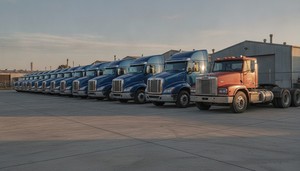
The detail that deserves attention is what did not deteriorate. Heavy motor vehicle dwell times inside the port precinct remained relatively stable through the same week, and average transit time on the Johannesburg-Durban road corridor actually improved by 3.1%, dropping from 13.9 hours to 13.4 hours.
In other words, the pressure concentrated entirely on the marine side of the chain. Trucks were arriving, being turned and leaving at a normal rate. Ships were not. That is a materially different diagnosis from the congestion events Durban has become known for, where truck queues on Bayhead Road are the visible symptom and the first thing an operator notices.
A road-side delay hits the haulier first: idling trucks, blown driver hours, missed second loads. A marine-side delay hits the cargo owner and the forwarder first, and it reaches the haulier later and less predictably. Containers do not arrive when the booking said they would, empties are not released on schedule, and the collection window that was planned three weeks earlier moves without warning.
For SADC operators running inland legs from Durban to Gauteng, Zimbabwe, Zambia or Botswana, that matters because the buffer sits in the wrong place. A fleet that has optimised around a stable 13-hour road transit has no slack to absorb an extra two days of vessel time upstream. The trucks are efficient; the cargo is simply not there yet.
Stop treating "corridor performance" as one number. Split your Durban planning into a marine window and a road window, and add the buffer to the marine side, where the volatility now sits. If you quote inland transit from vessel ETA rather than from actual discharge, a 26.5% swing in port call time lands on your margin, not the carrier's.
Stay connected with Southern Africa's freight and transport community.
Join 6,400+ logistics professionals across the SADC region.
Visit Laaimylorrie.com| About the Author | |

|
Andre Klynsmith Entrepreneur & Technology Enthusiast Andre's expertise spans technology, blockchain, transport, and logistics -- with a passion for innovation and driving positive change across industries. |
| Source: Freight News View source › | 9 September 2026 |


Subscribe to our Newsletter and stay in the know with all the latest Industry News, Products and Trends covering the whole of the SADC region.
KS Blockchain T/A Laaimylorrie.com . All Rights Reserved.