Industry related headlines to keep you in the know.
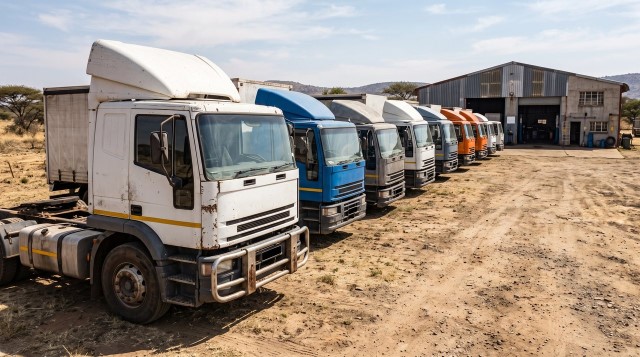
With new-truck affordability under pressure and fleet renewal stalling, more SADC operators are turning to the used-truck market — a shift that is changing how the region thinks about fleet asset decisions in 2026.
Asset Management
21 May 2026 • 5 min read
When a new truck is too expensive to justify and an old one is too costly to keep, operators look to the middle ground. The pre-owned market is becoming a central part of SADC fleet strategy — but buying second-hand well is a discipline, not a discount.
Across South Africa, the used-vehicle market is expanding as inflation erodes new-vehicle affordability and buyers pivot toward pre-owned assets. The same logic is playing out in commercial fleets. New truck sales have been soft, with operators delaying renewal in the face of a weak rand, high finance costs and uncertainty over fuel and regulatory changes.
A well-chosen used truck lets an operator add or replace capacity at a fraction of the new price, sidestepping the steepest part of the depreciation curve. In a year when margins are tight and demand is hard to forecast, that flexibility is valuable — it allows a fleet to grow without committing to a five-year finance agreement on a brand-new asset.
Market figure: South Africa's used-vehicle market is expected to grow from around US$12.89 billion in 2025 to US$13.75 billion in 2026, as buyers shift toward pre-owned assets. (Source: Mordor Intelligence, 2026)
The other side of the pre-owned story is residual value — the worth of a truck at the end of its service or finance term. Residual values are continuously reassessed against current market conditions, usage patterns and historical wholesale and retail data, and they are not fixed.
This matters in both directions. An operator buying used is buying someone else's residual; an operator running a lease is exposed to where residuals land when the contract ends. With Euro emissions standards tightening and the truck mix shifting, the residual value of an older or non-compliant unit can erode faster than expected — turning a cheap purchase into an expensive one.
A used truck is only a good asset decision if the total cost of ownership stacks up. That means looking past the sticker price to verified service history, remaining component life, fuel efficiency, parts availability and the realistic resale window. A unit with a known maintenance record and a mainstream parts supply will almost always beat a cheaper truck with an unknown past.
Operators should also weigh the pre-owned purchase against alternatives — full-maintenance leasing, or a mixed fleet that owns core capacity and leases for flexible demand. The right answer depends on route profile, utilisation and balance-sheet appetite. The pre-owned market is a tool, not a default.
The used-truck market offers a way to renew capacity without a full new-vehicle commitment — but it rewards rigour. Verify service history, model total cost of ownership rather than purchase price, watch emissions-driven residual risk, and treat pre-owned as one option alongside leasing and a mixed-fleet strategy.
Stay connected with Southern Africa's freight and transport community.
Join 6,400+ logistics professionals across the SADC region.
Visit Laaimylorrie.com| About the Author | |

|
Andre Klynsmith Entrepreneur & Technology Enthusiast Andre's expertise spans technology, blockchain, transport, and logistics — with a passion for innovation and driving positive change across industries. |
| Source: Mordor Intelligence / SAVRALA View source › | 21 May 2026 |


Subscribe to our Newsletter and stay in the know with all the latest Industry News, Products and Trends covering the whole of the SADC region.
KS Blockchain T/A Laaimylorrie.com . All Rights Reserved.